Initiative Overview

25
YEARS OF PRF RESEARCH
8
YEARS OF SamPro-2 DEVELOPMENT
1X
ONE TIME THERAPY
The science has reached a turning point
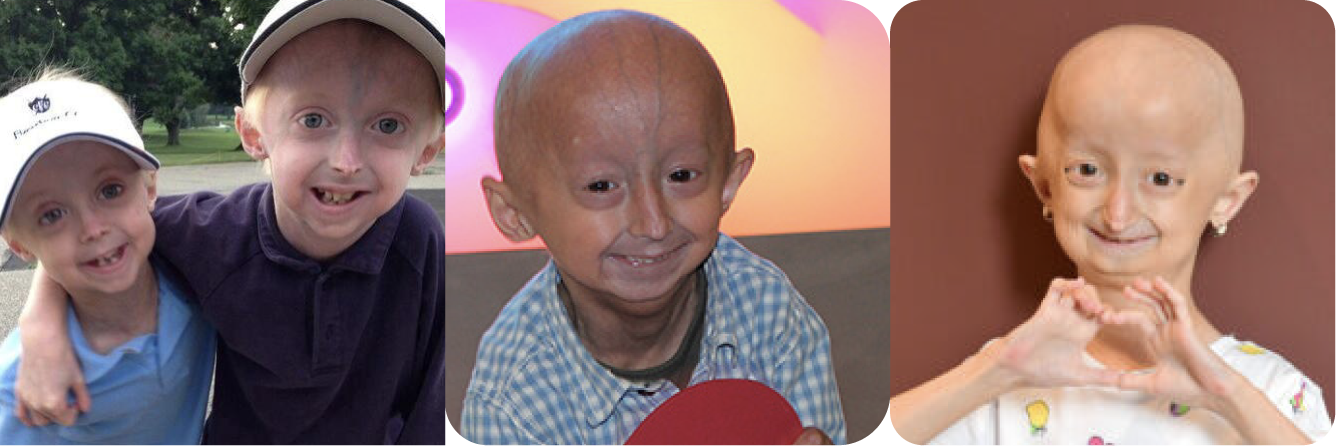
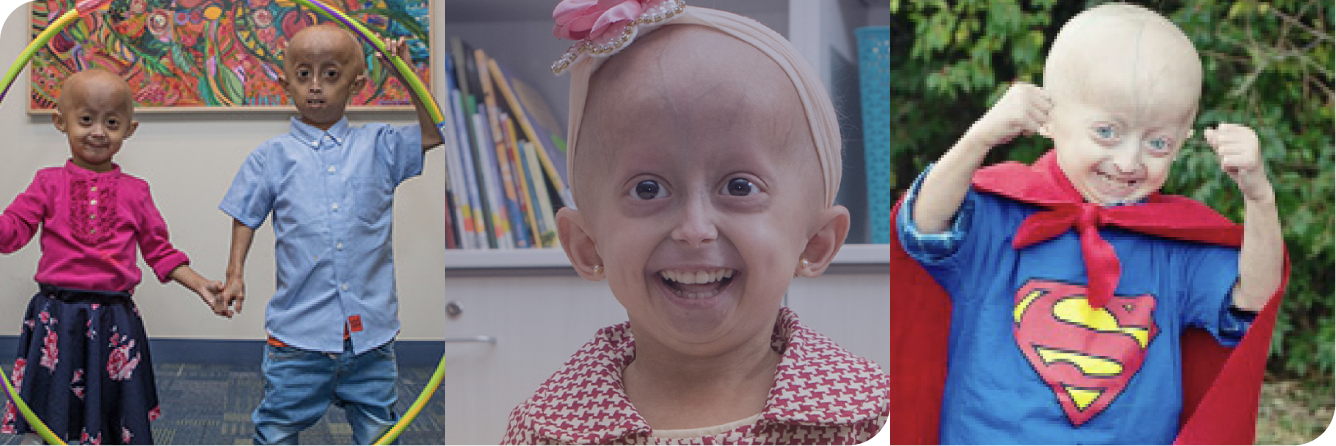
The FDA-approved drug lonafarnib extends children's lives by a few precious years, but children still die of heart disease, on average, in their late teens. Lonafarnib improves the disease. It does not correct the mutation that causes Progeria. A new generation of gene-editing technology can do just that. The base editor SamPro-2 targets the single misspelled letter in DNA that causes Progeria and has the potential to correct it, permanently, in every cell it reaches. In a mouse model of Progeria, a Progeria-targeted base editor increased the lifespan of the mice by 140%. And it is almost ready to move from the laboratory to human trials.
Drug manufacturing
Producing a clinical-grade supply of SamPro-2 that meets FDA purity and consistency standards for use in human trials.
FDA interactions + trial design
Ongoing FDA engagement to align on trial design, safety protocols, and the Investigational New Drug (IND) application – the formal gateway to clinical trials.
Clinical trial launch
Starting with an N-of-1 clinical trial, then expanding to a multi-patient study with full safety monitoring and long-term follow-up.
Next-generation development
While SamPro-2 advances, the next iteration will be developed, designed to reach more cells and move closer to a complete cure.
There is no other way
Progeria affects only a few hundred children worldwide. No commercial market exists. No drug company will fund this work. Philanthropic investment is the only way this gene therapy can become a reality.
PRF has never delayed a clinical trial because of lack of funds. We do not intend to start now. But funds must be raised in step with the science so that manufacturing, regulatory work, and trials can proceed without interruption.